
Oreo truffles: the no-bake, crowd-pleasing treat you’ll make on repeat
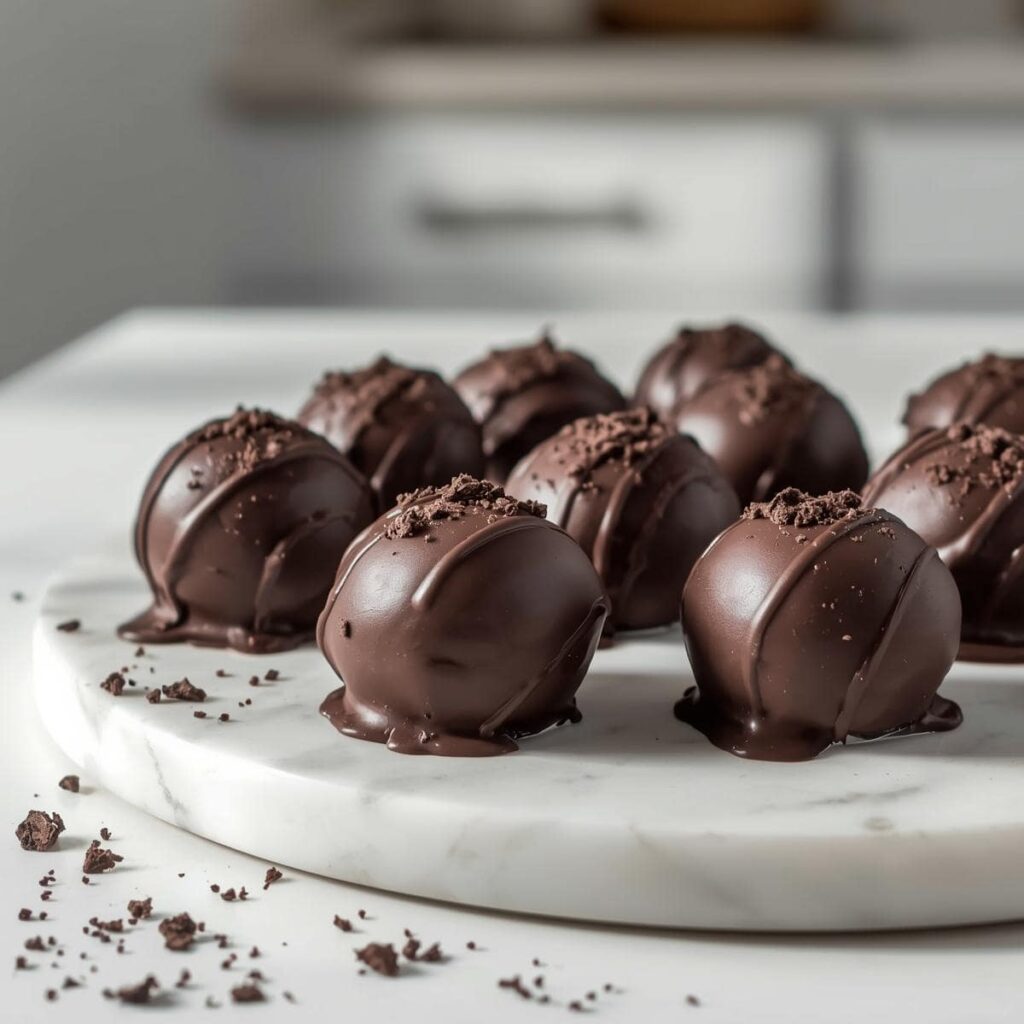
If you want a dessert that looks boutique but takes less than 30 minutes of active time, Oreo truffles are your new best friend. They’re rich, bite-sized, and irresistibly glossy—perfect for parties, gifts, or a “just because” sweet. I’ve made Oreo truffles for bake sales, office potlucks, and holiday cookie boxes, and they’re always the first to vanish. With a simple base of cookie crumbs and cream cheese, plus a quick dip in chocolate, you get a truffle that tastes like cheesecake met a cookie and decided to wear a tux.
Why Oreo truffles work so well
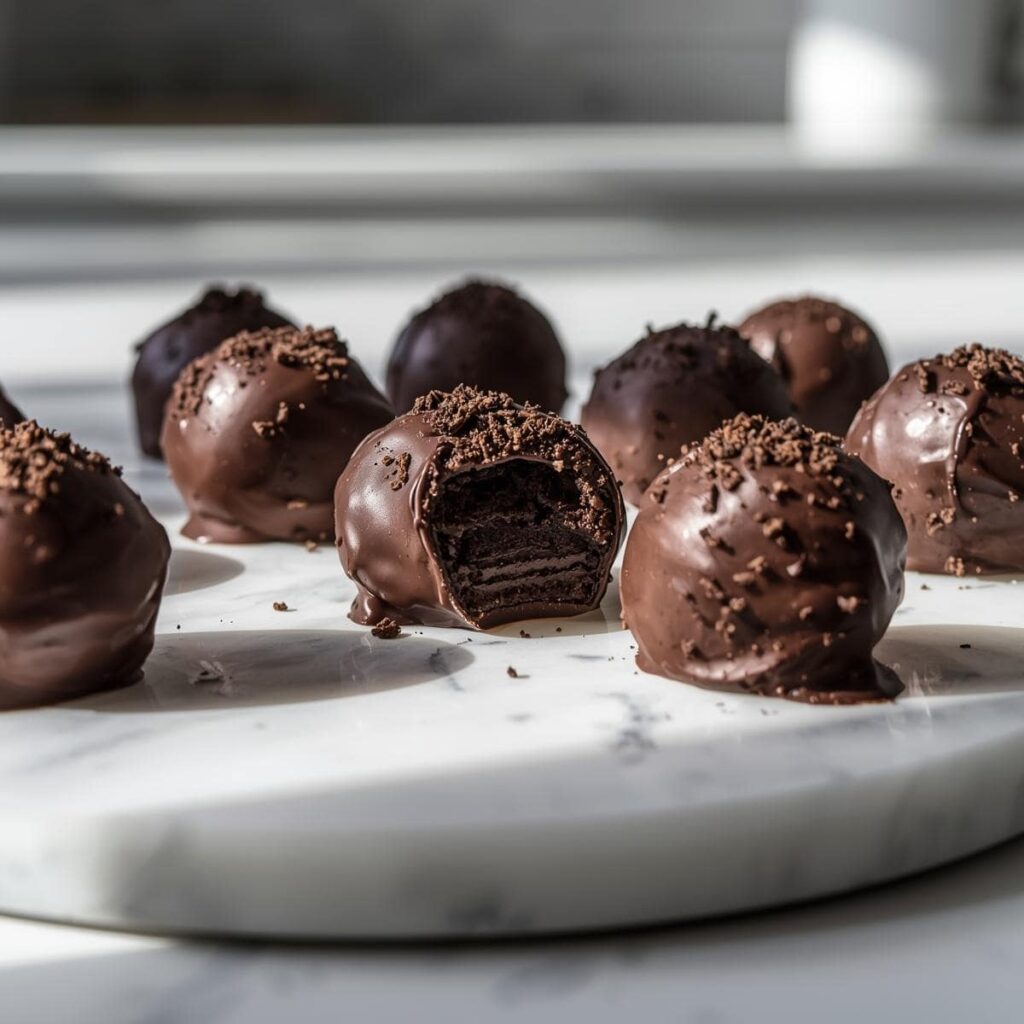
At their core, Oreo truffles rely on a smart three-part formula: finely ground cookies for structure, cream cheese for binding and tang, and a chocolate shell for snap and shine. The crumbs absorb moisture from the cream cheese, creating a fudgy, cohesive center that slices cleanly when you bite. The chocolate coating seals in freshness and adds contrast—the creamy interior against a crisp shell is what keeps people reaching for “just one more.”Professionally tested techniques back up this method. Serious Eats and Cook’s Illustrated have long emphasized that compound chocolate (a.k.a. candy coating) is the easiest route to a smooth finish without tempering, while tempered real chocolate delivers superior flavor and a beautiful snap if you’re up for a small technical step.
Ingredients and tools for hallmark Oreo truffles texture
- Oreos (36 standard cookies): Classic flavor works best; keep the filling in.
- Cream cheese (8 oz / 226 g), room temperature: Full-fat for the most stable mixture.
- Vanilla extract (1/2 tsp) and a pinch of salt: Brighten flavor and balance sweetness.
- Chocolate for coating (16–20 oz): Choose either candy melts/compound chocolate for ease or real bar chocolate (60–72%) if you’ll temper.
- Optional finishers: Crushed cookie crumbs, white chocolate drizzle, sprinkles, flaky salt.
- Tools: Food processor (or a zip-top bag + rolling pin), mixing bowl, small cookie scoop, sheet pan, parchment, and a dipping fork or two forks.
Pro tip from experience: Room-temperature cream cheese blends smoothly and prevents little lumps that can make shaping harder.
How to make Oreo truffles without stress
- Crush the cookies. Pulse in a food processor to fine, even crumbs. Aim for a sand-like texture—large bits create cracks later.
- Mix the base. Add cream cheese, vanilla, and salt. Pulse or stir until the mixture looks like thick brownie batter and holds together when pressed.
- Scoop and chill. Portion into 1-tablespoon balls, roll tight between your palms, and set on a parchment-lined sheet. Chill 20–30 minutes until firm. This pause is key for clean dipping and well-shaped Oreo truffles.
- Melt or temper the chocolate.
- For candy melts/compound chocolate: Microwave in 20–30 second bursts, stirring between each, until fluid and smooth.
- For real chocolate: Temper for best results—melt two-thirds to 110–115°F (43–46°C), remove from heat, stir in the remaining third until 88–90°F (31–32°C) for dark or 86–88°F (30–31°C) for milk/white.
- Dip. Work with 3–4 centers at a time, keeping the rest chilled. Drop a ball into chocolate, lift with a dipping fork, tap gently on the bowl to remove excess, and slide onto parchment. Garnish immediately before the shell sets.
- Set and store. Let the coating firm at cool room temp if tempered, or refrigerate 10–15 minutes if using candy coating.
Experience note: A second brief chill (10 minutes) before dipping reduces “footing” (the puddle around the base) and keeps the shape neat.
Chocolate coating for Oreo truffles: easy vs. expert routes
- Easiest path: Compound chocolate or candy melts. They contain vegetable fats rather than cocoa butter, so they set without tempering and resist bloom. Flavor is milder, but the process is fuss-free—ideal for big batches of Oreo truffles.
- Best flavor and snap: Tempered real chocolate. It takes a thermometer and a few minutes of attention, but you’ll get that elegant, crisp shell. Serious Eats and professional chocolatiers consistently note tempered chocolate’s superior shine and bite.
If your melted coating is thick, thin gently with a teaspoon of neutral oil (for compound) or a few grams of cocoa butter (for real chocolate). Avoid water at all costs—one drop can seize the batch.
Flavor variations that still feel classic
- Double chocolate: Use chocolate sandwich cookies and dip in dark chocolate; top with white chocolate stripes.
- Red velvet: Red velvet sandwich cookies inside, white chocolate coating outside.
- Mint nightcap: Add 1/4 teaspoon peppermint extract to the base; finish with crushed mint candies.
- Peanut butter nod: Swirl 2 tablespoons peanut butter into the base and coat with milk chocolate.
- Mocha bar: Stir 1 teaspoon instant espresso into the crumb mixture; dust with cocoa.
Across dozens of batches, the best rule is “one bold note, one supporting note.” Go beyond two and Oreo truffles start to taste muddled.
Make-ahead, storage, and food safety
Because Oreo truffles contain cream cheese, treat them as perishable. The U.S. FDA’s general guidance is to limit perishable foods at room temperature to 2 hours (1 hour if above 90°F/32°C). Store finished truffles in an airtight container in the refrigerator for up to 1 week. For longer storage, freeze up to 2 months; thaw in the fridge overnight to avoid condensation that dulls the chocolate.Packaging tip: If gifting, place mini cupcake liners in a box and arrange Oreo truffles in a single layer. Chill the whole box before transport; the liners prevent scuffs.
Troubleshooting Oreo truffles
- Cracking shells: Centers too cold or chocolate too hot. Let centers sit 3–5 minutes before dipping and aim for a fluid, not steaming, coating.
- Soft or greasy centers: Too much cream cheese or warm kitchen. Add 3–4 crushed cookies to firm the mixture and chill longer.
- Chocolate bloom (gray streaks): Untempered chocolate stored warm. Use compound coating or temper properly; store cool and dry.
- Thick, clumpy coating: Overheated chocolate or seized by moisture. Start fresh if seized; next time, melt low and slow.