
Veggie Burrito Taco Bell Calories
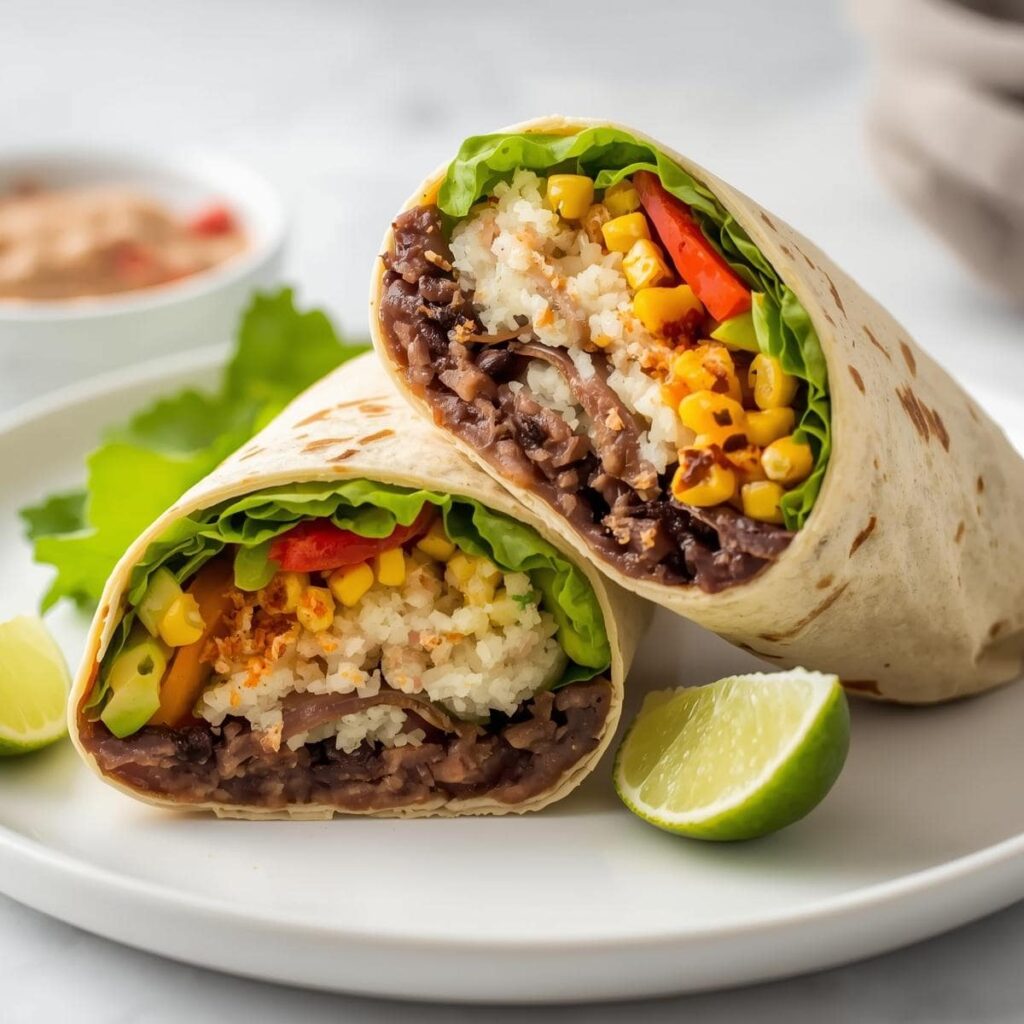
When you’re craving a quick meal that’s satisfying, flavorful, and doesn’t completely derail your diet, the veggie burrito from Taco Bell might be just what you’re looking for. This vegetarian option offers a healthier alternative to some of the heavier meat-based choices on the menu, but if you’re watching your calorie intake, you might be wondering, “How many calories are in a veggie burrito Taco Bell?”
In this post, we’ll dive deep into the nutritional value of Taco Bell’s veggie burrito, explore its calorie count, and discuss how it compares to other fast food options. Let’s get to the bottom of whether this tasty burrito fits into a balanced diet.
What is a Veggie Burrito at Taco Bell?
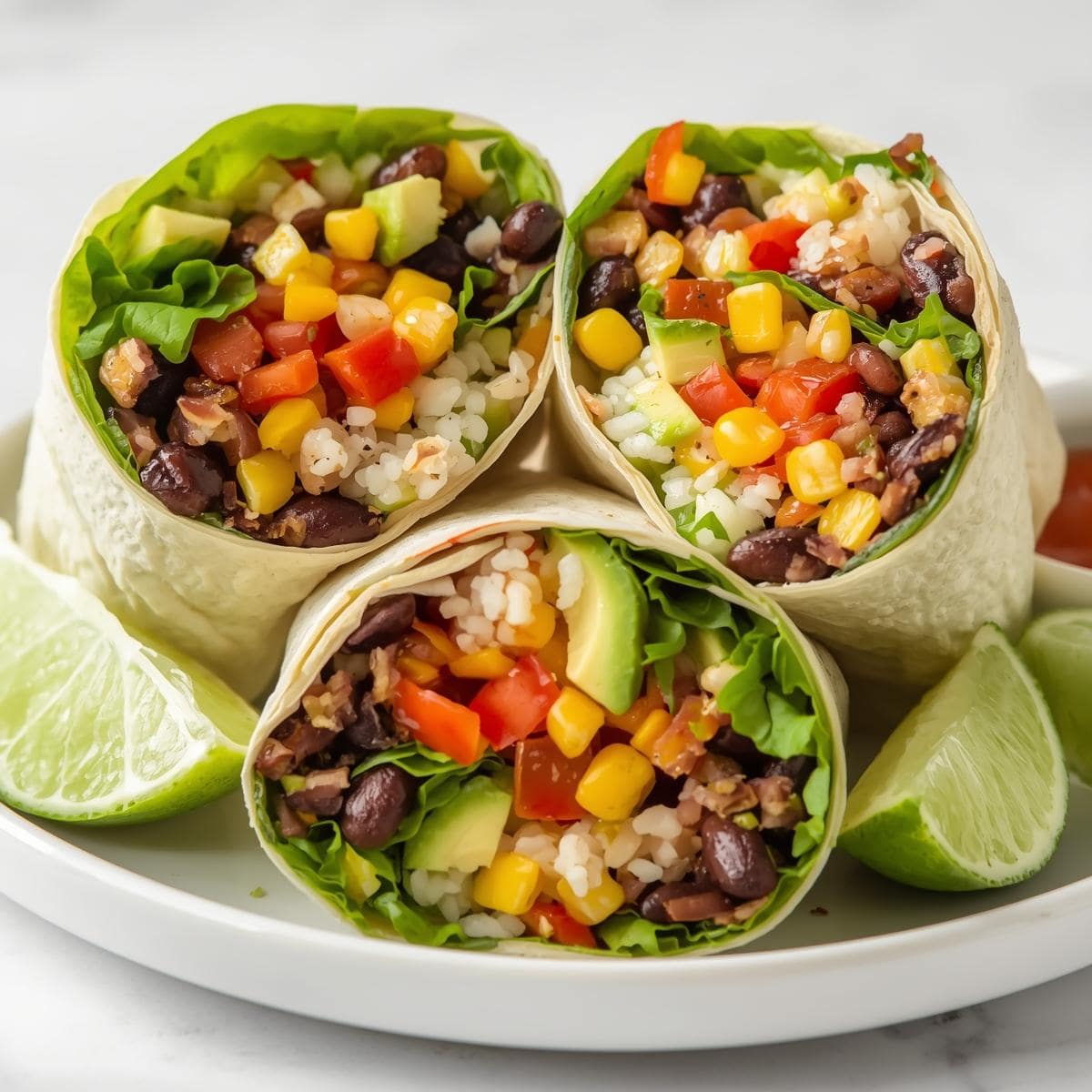
he veggie burrito from Taco Bell is a part of their “vegetarian” menu, designed to offer a satisfying, plant-based alternative to their classic beef or chicken burritos. The veggie burrito typically includes a combination of beans (usually black or pinto beans), rice, lettuce, tomato, cheese, and sour cream wrapped in a flour tortilla. Sometimes it also includes guacamole or other toppings depending on your customization.
This burrito is perfect for anyone looking for a meat-free meal that still packs a punch in terms of taste and texture. Taco Bell also offers the option to customize your veggie burrito with additional items like hot or mild sauce, which can bring extra flavor without adding too many extra calories.
But, of course, with fast food, one of the main concerns is the calorie count. So, let’s break down the calories in a veggie burrito at Taco Bell.
Veggie Burrito Taco Bell Calories: How Many Are in One?
If you’re watching your calorie intake or trying to make healthier choices when eating out, it’s important to know how many calories are in your meal. The veggie burrito from Taco Bell contains approximately 400 calories in one standard serving. This makes it a relatively moderate option, especially when compared to some other fast food burritos that can easily exceed 1,000 calories.
However, keep in mind that the calorie count can change depending on your customization. Adding extras like guacamole, extra cheese, or sour cream can increase the calorie count, so it’s important to account for these additions when making your choice.
For those looking for a more filling meal, Taco Bell offers the veggie burrito supreme, which includes additional toppings like more cheese and sour cream, bringing the calorie count to about 500 calories. This can still be considered a relatively healthy fast food option, especially when compared to other burritos on the menu.
Nutritional Breakdown of a Veggie Burrito Taco Bell
Here’s a closer look at the nutritional values for a standard veggie burrito at Taco Bell (approx. 400 calories):
- Total Fat: 14g (about 22% of your daily recommended intake)
- Saturated Fat: 6g (about 30% of your daily intake)
- Cholesterol: 20mg
- Carbohydrates: 58g (about 19% of your daily intake)
- Fiber: 6g (about 24% of your daily intake)
- Sugars: 4g
- Protein: 11g
- Sodium: 1,100mg (about 48% of your daily recommended intake)
As you can see, the veggie burrito provides a decent amount of protein, primarily from the beans and rice, which can help keep you feeling full longer. It also offers a healthy amount of fiber, thanks to the beans and rice. However, it is relatively high in sodium, which is a common concern with fast food meals. If you’re looking to reduce sodium intake, you might consider asking for less cheese or sour cream or opting for sauces with lower sodium content.
Veggie Burrito Taco Bell Calories vs. Other Taco Bell Options
It’s helpful to compare the veggie burrito with other popular options on Taco Bell’s menu to understand where it stands in terms of calories.
- Beef Burrito Supreme: Approximately 450 calories.
- Chicken Quesadilla: Around 510 calories.
- Beef Soft Taco: Around 170 calories per taco.
- Crunchwrap Supreme: About 530 calories.
As you can see, the veggie burrito sits somewhere in the middle of the calorie spectrum, making it a relatively balanced option. The veggie burrito also stands out because it offers a plant-based protein source, which can be a great choice for vegetarians or those trying to reduce their meat consumption.
Is the Veggie Burrito Taco Bell Healthy?
When you look at the veggie burrito Taco Bell calories and nutritional values, it’s clear that this dish can fit into a balanced diet. Here are a few things to consider if you’re trying to make healthier choices:
1. Plant-Based Protein:
The veggie burrito offers a good source of protein from beans, which are plant-based. This makes it a great option for vegetarians or anyone looking to reduce their animal protein intake.
2. Good Fiber Content:
The fiber content in the veggie burrito (6g) is a positive aspect of the meal. Fiber is important for digestive health and can help keep you feeling full, making it easier to avoid overeating.
3. Moderate Fat Content:
While the veggie burrito is not completely free of fat, it’s relatively moderate, especially compared to some of Taco Bell’s other burritos or quesadillas. The fat comes mainly from cheese and sour cream, so you can customize your burrito to make it lower in fat by asking for less cheese or opting for a lighter version of sour cream.
4. High in Sodium:
One downside of the veggie burrito (and many fast food options) is its high sodium content. The sodium comes primarily from the tortilla, cheese, and any sauces you choose. If you are watching your sodium intake, it’s a good idea to opt for a custom order with fewer high-sodium toppings.
5. Customization for Healthier Choices:
One of the best things about Taco Bell is that you can customize your meal to suit your needs. For a healthier option, you could ask for no cheese, hold the sour cream, or swap out the flour tortilla for a whole wheat one if available. These changes can help reduce the calorie count and make the meal more nutrient-dense.
How to Make a Healthier Veggie Burrito at Taco Bell
If you want to enjoy a veggie burrito from Taco Bell but are concerned about the calories, here are a few tips for making it a bit healthier:
- Skip the Cheese: While cheese adds flavor, it also adds extra calories and fat. Opting for no cheese can significantly reduce the calorie count.
- Choose Guacamole Over Sour Cream: Guacamole is rich in healthy fats and offers a creamy texture without the added saturated fat from sour cream.
- Add Extra Veggies: If you want to increase the nutritional value of your veggie burrito, ask for extra veggies like lettuce, tomatoes, or peppers. These add flavor without adding many calories.
- Use a Soft Corn Tortilla: If available, you could swap out the flour tortilla for a soft corn tortilla to make the meal slightly lower in calories and carbs.
Conclusion
Taco Bell’s veggie burrito offers a satisfying and flavorful meal option for those looking for a quick, meat-free choice. With approximately 400 calories in a standard veggie burrito, it’s a relatively moderate option, especially compared to some of the higher-calorie items on the menu. It also offers a good amount of fiber and plant-based protein, making it a decent option for vegetarians or anyone looking to reduce their meat consumption.
While it is important to be mindful of the sodium content, there are ways to customize your burrito to make it even healthier. With just a few tweaks, you can enjoy a balanced and delicious meal that satisfies your fast food cravings without derailing your diet.
So, next time you’re at Taco Bell, give the veggie burrito a try — you might just find it’s your new favorite go-to meal!